Flower Bed Edging Ideas & How to Edge a Lawn
March 8, 2026 · 10 min read
Cheapest Option
$0.10
per linear ft (trench)
Most Popular
Steel
lasts 20+ years
Best ROI
4:1
curb appeal return
Clean edging is the single fastest way to make any yard look professionally maintained. It defines where lawn ends and garden begins, prevents grass runners from invading your mulch beds, and adds structure that makes everything else — plantings, pathways, paver walkways — look intentional. This guide covers seven edging materials with real costs, three installation methods, and design patterns that work for every yard size.
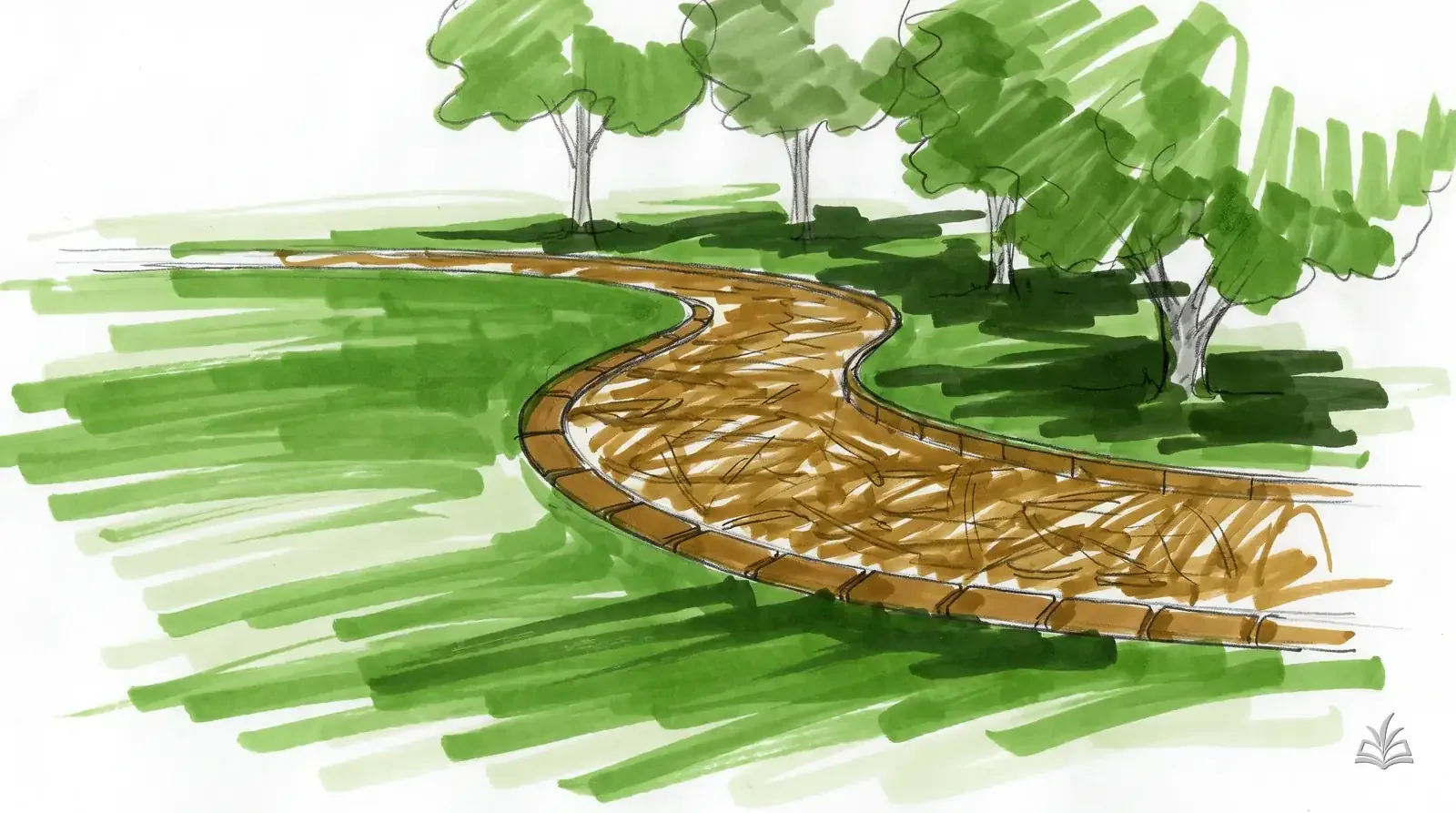
7 Edging Materials Compared
Each material has a distinct look, price point, and maintenance profile. Your choice depends on budget, style, and how much upkeep you want. For a full project estimate including edging and landscaping costs, use our calculator.
Steel
$1.50–$3.00/ftPros
- + Nearly invisible once installed
- + Handles curves beautifully
- + Zero maintenance
Cons
- - Can rust if uncoated
- - Needs metal stakes
- - Sharp edges during install
Aluminum
$2.00–$4.00/ftPros
- + Won't rust ever
- + Lighter than steel
- + Holds shape in all climates
Cons
- - More expensive than steel
- - Dents easier
- - Limited color options
Plastic / Composite
$0.50–$1.50/ftPros
- + Cheapest material option
- + Easy to cut and shape
- + No special tools needed
Cons
- - Warps in heat
- - Looks cheap over time
- - Mowers can dislodge
Stone / Brick
$3.00–$8.00/ftPros
- + Timeless appearance
- + Adds property value
- + Many pattern options
Cons
- - Heavy — slow to install
- - Weeds grow between gaps
- - Frost heave shifts stones
Concrete
$4.00–$10.00/ftPros
- + Poured to any shape
- + Extremely durable
- + Mow-strip capable
Cons
- - Cracks over time
- - Can't easily relocate
- - Requires forms & mixing
Natural Trench
$0.00–$0.10/ftPros
- + Free — just use a spade
- + Most natural look
- + Easy to change shape
Cons
- - Needs re-cutting 2–3x/year
- - Grass invades quickly
- - No physical barrier
Landscape Timbers
$1.00–$3.00/ftPros
- + Adds height for raised beds
- + Easy to stack
- + Warm, natural appearance
Cons
- - Rots without treatment
- - Attracts termites
- - Straight lines only
Quick pick
Tight budget? Go with a natural trench — it's free and looks great when maintained. Want set-and-forget? Steel edging is the industry standard for pros.
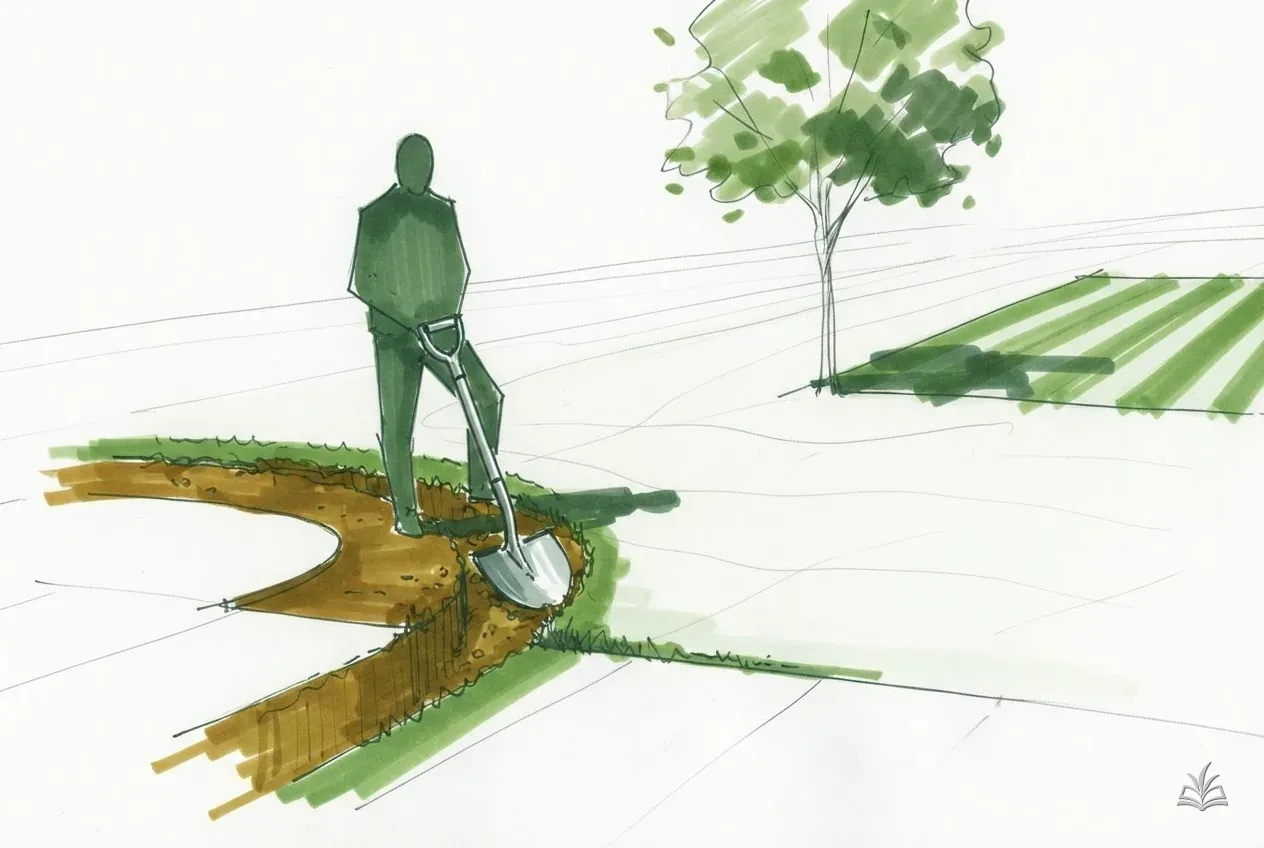
How to Edge a Lawn
Lawn edging means cutting a clean separation line between your turf and any adjacent surface — driveways, sidewalks, or bed borders. The technique is the same whether you're edging along concrete or alongside a paver walkway.
Tools You'll Need
Manual Half-Moon Edger
$20–$40 · Small yards, precision work
Step on the blade, rock it forward. Gives the cleanest cut but takes elbow grease. Best for re-edging existing lines.
Power Stick Edger
$100–$300 · Medium to large yards
Gas or battery powered with a vertical spinning blade. Cuts through turf fast. The go-to for lawn care pros doing multiple properties per day.
String Trimmer (turned vertical)
$50–$200 · Quick touch-ups, existing edges
Flip your trimmer 90 degrees so the string cuts vertically along the edge. Not as clean as a dedicated edger but works for maintenance between deep cuts.
5 Steps to a Clean Lawn Edge
Mark your edge line
Lay a garden hose or spray-paint a line where you want the edge. For straight runs, use string tied between two stakes. Stand back and check the line from the street — that's the view that matters for curb appeal.
Make the initial cut
Using your half-moon edger or power edger, cut straight down 3–4 inches along the marked line. Keep the blade vertical — angled cuts create a shelf that grass grows over within weeks.
Cut the trench angle
Now angle your spade at 45 degrees from the bed side and cut toward your vertical cut. This creates a V-shaped trench. Remove the wedge of turf and soil. The trench should be about 3 inches wide at the top.
Clean and define
Use your spade to scrape the trench smooth. Remove any loose soil — drop it into the bed, not back on the lawn. The finished edge should show a clean vertical wall on the lawn side and a sloped wall on the bed side.
Maintain the line
Run your power edger or string trimmer along the edge every 2–3 weeks during growing season. This takes 5 minutes per 100 feet once the initial cut is done. It's the difference between a yard that looks professional and one that looks abandoned.
Pro tip
Edge the day after rain — moist soil cuts cleaner and the turf wedge pulls out in one piece. Bone-dry soil crumbles and dulls your blade faster.
How to Edge Flower Beds
Edging a flower bed is a bigger job than edging a lawn. You're creating a contained growing area, not just a separation line. The edge needs to hold back mulch, prevent grass invasion from the root zone, and define a shape that complements your drainage layout.
Common mistake
- -Shallow 1-inch edging
- -No physical barrier
- -Mulch piled over the edge
- -Grass runners invade within weeks
Pro approach
- +4–5 inch deep edge cut
- +Steel or stone barrier below grade
- +Mulch level below edging top
- +Clean line lasts all season
5 Steps to Edge a New Flower Bed
Outline the bed shape
Lay a garden hose on the ground to experiment with curves. Step back 20 feet and adjust until the shape looks balanced. For geometric beds, use stakes and string. Spray-paint the final line on the grass so you don't lose it.
Strip the turf inside the bed
If you're creating a new bed, use a flat spade to cut turf into 12-inch strips, then roll them up and relocate or compost. Don't rototill existing lawn — it chops grass stolons into pieces that each become a new weed in your bed.
Cut the perimeter edge
With the turf removed, cut a clean vertical edge around the entire perimeter using a half-moon edger. Go 4–5 inches deep — deeper than lawn edging because bed soil will settle over time and you need that depth to hold mulch.
Install your chosen edging material
For steel or aluminum, drive stakes every 4 feet along the edge line. For stone or brick, dig a 2-inch gravel base for drainage. For landscape timbers, secure with rebar driven through pre-drilled holes.
Add soil amendments and mulch
Fill the bed with 2–3 inches of compost mixed into the top 6 inches of existing soil. Then top with 2–3 inches of mulch, keeping it below the top of your edging so it doesn't spill onto the lawn. Use our mulch calculator to get the right volume.
Lawn vs. flower bed edging — the key difference
Lawn edging is a maintenance task you repeat every few weeks. Flower bed edging is a construction task you do once and maintain seasonally. Budget 2–4 hours for a 50-foot flower bed versus 15 minutes for the same length of lawn edge re-cutting.
Edging Design Ideas
The material is half the decision. The other half is the shape and pattern of your beds. These five designs cover everything from casual cottage gardens to sharp modern landscapes. Combine them with the right project budget for realistic planning.
Curved Garden Beds
EasyRecommended materials: Steel, trench, or plastic
Flowing curves that follow the natural contours of your yard. The most forgiving shape for beginners because slight imperfections are invisible. Use a garden hose to lay out curves before committing.
Design tip: Keep curves gentle — tight S-curves look busy from a distance. One smooth arc per 20 feet of bed is the sweet spot.
Island Beds
ModerateRecommended materials: Steel, stone, or concrete
Freestanding beds in the middle of the lawn, visible from all sides. Plant tall specimens in the center and cascade heights outward. The edging is fully visible, so choose a material that looks good 360 degrees.
Design tip: Size the island at minimum 1/3 the width of the surrounding lawn. Anything smaller looks like an afterthought.
Raised Bed Borders
Moderate–HardRecommended materials: Landscape timbers, stone, brick
Edging that doubles as a low retaining wall, lifting the planting area 6–18 inches above lawn level. Excellent for drainage, accessibility, and visual impact. Pairs well with a retaining wall on sloped sections.
Design tip: Slope the interior soil away from the house at 1% grade to prevent water pooling against foundations.
Geometric Patterns
HardRecommended materials: Steel, concrete, or pavers
Rectangles, L-shapes, and angular beds for modern and formal landscapes. Every line must be laser-straight — curves hide imperfections, straight lines expose them. Use string lines and stakes for precision.
Design tip: Match your bed angles to your house's architecture. A 45-degree bed corner looks intentional next to a house with 90-degree corners.
Double-Edge Mow Strip
ModerateRecommended materials: Concrete or stone pavers
A flat strip of hard material (usually 4–6 inches wide) installed flush with the lawn between the grass and bed. Your mower wheel rides right on it, eliminating the need for string trimming entirely.
Design tip: Set pavers in a sand-and-gravel base so frost heave doesn't push them up. Check for level twice a year.
“The best edging doesn't draw attention to itself — it makes the lawn and beds each look better by creating contrast between them.”
Cost Comparison: Edging Materials per 50 Linear Feet
These prices reflect 2026 national averages for materials and basic installation. Your local costs may vary 15–30% depending on region. For a full project budget including beds, plants, and mulch, try our landscaping cost calculator.
Natural Trench
Just needs a spade you probably own
Plastic / Composite
Stakes included with most rolls
Steel Edging
Add $20–$40 for metal stakes
Landscape Timbers
Pressure-treated lasts longest
Aluminum Edging
Best value in coastal/humid areas
Stone / Brick
Gravel base adds $30–$50
Poured Concrete
Most pros charge $5–$7/ft installed
Pricing for pros
If you're a landscaper pricing edging jobs, mark up materials 30–50% and charge $3–$5/linear foot for installation labor. A typical 50-foot bed edge takes 1–3 hours depending on material. See our lawn care pricing guide for full rate benchmarks.
Maintenance & Seasonal Timing
Even the best edging needs attention. How much depends entirely on what material you chose. Natural trenches need the most upkeep; steel and aluminum need the least. Work edging maintenance into your seasonal lawn care routine so it never becomes a catch-up project.
Seasonal Edging Calendar
Early Spring (March–April)
Re-cut all trench edges, reset any heaved stones or timbers, replace damaged plastic sections
Late Spring (May)
First maintenance edge of the season — clean up grass runners creeping into beds after spring growth surge
Mid-Summer (July)
Touch-up edges, re-mulch any thin spots where edging is showing. Check steel for rust spots
Fall (October–November)
Final deep edge cut before dormancy. Clean debris from stone gaps. Apply rust inhibitor to steel if needed
How Often to Re-Edge by Material
Don't skip fall edging
Grass that creeps into beds over fall and winter is 3x harder to remove in spring because roots have established during the dormant season. A clean fall edge cut saves hours of spring cleanup.
Edging Cheat Sheet
- Cheapest: Natural trench ($0) — re-cut every 2–3 weeks
- Lowest maintenance: Steel or aluminum — touch up twice per year
- Best for curves: Steel edging — bends to any radius
- Best for raised beds: Landscape timbers or stone
- Best for mow strips: Poured concrete or flat pavers
- Best ROI: Any clean edge adds 4:1 curb appeal value